Concrete Tile Roofs
Concrete Tile Roofing: From Ancient Invention to Modern Elegance
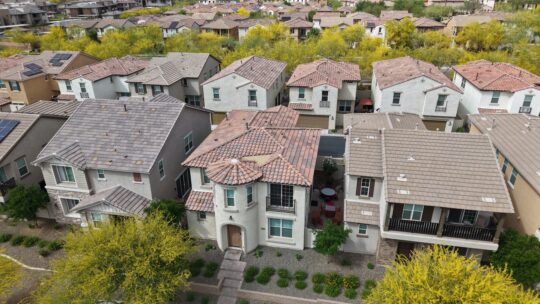
Concrete tile roofs combine timeless aesthetics with rugged durability. Whether you’re admiring a Spanish-style villa or a modern Southwest home in Arizona, there’s a good chance the roof is covered with concrete tile.
But these beautiful and resilient roofing systems didn’t appear overnight. Concrete tiles have a long history that stretches back centuries—and today’s versions are more advanced, efficient, and weather-resistant than ever.
In this article, we explore the origins of concrete tile roofs, how they’ve evolved, and why they’re still one of the top roofing materials for Arizona homes and businesses.
The Origins of Concrete Roof Tiles
While clay tiles date back thousands of years, concrete tiles are a relatively modern invention. They were first introduced in Europe during the mid-1800s, when industrialization made it possible to combine cement, sand, and water into durable, moldable roofing forms.
The first recorded use of concrete roof tiles was in Bavaria, Germany, around 1840, where they were hand-pressed into wooden molds and air-cured. These tiles quickly became popular in Europe for their affordability, resistance to fire, and ability to withstand harsh weather.
By the early 1900s, concrete tile production had spread across Europe and parts of North America. In the post-World War II construction boom, they became a go-to roofing solution—particularly in areas that lacked access to traditional clay tile manufacturing.
Concrete tile is one of several sloped roofing systems commonly used on homes in Arizona, particularly where longevity and heat resistance are priorities.
Growth and Popularity in the U.S.
Concrete roof tiles made their way to the United States in the early 20th century, but gained serious momentum in the 1950s and 60s—especially in the Sun Belt states like California, Arizona, and Florida.
Builders and homeowners were drawn to concrete tiles because they:
- Resembled traditional clay or slate
- Were more affordable to produce
- Offered long-term durability in extreme climates
In places like Phoenix, where UV exposure, monsoons, and high temps test every roofing system, concrete tiles quickly earned a reputation as a smart, long-lasting investment.
How Modern Concrete Tile Roof Systems Work
Today’s concrete roof tiles are manufactured using a blend of Portland cement, sand, and water, which is then molded under high pressure and cured. The tiles are often coated with pigments or finishes that improve aesthetics and reflect UV rays.
There are three main styles of concrete tiles:
- Flat Profile – Clean, modern look that mimics slate
- Low Profile (S-Style) – Subtle curves for Mediterranean or transitional homes
- High Profile (Barrel Tile) – Bold, traditional Spanish appearance
Each tile overlaps and interlocks with the next, creating a watertight barrier when installed correctly on a sloped roof.
Why Concrete Tiles Are Built to Last
Concrete tile roofs are often rated to last 50 years or more—and with proper maintenance, they can easily last a lifetime.
Key Benefits of Modern Concrete Tiles:
- Extreme Durability – Resistant to hail, high winds, and fire
- UV and Heat Resistance – Reflective coatings reduce solar absorption
- Low Maintenance – Won’t rot, warp, or attract pests
- Custom Styles – Available in dozens of colors and finishes
- Eco-Friendly – Made from natural materials and fully recyclable
Modern concrete tiles can also be installed with cool roof coatings, helping reduce attic temperatures and lowering HVAC loads—perfect for Arizona homes.
Concrete Tile Roof Installation Process
Installing a concrete tile roof requires specialized skills to ensure proper waterproofing and structural support:
- Roof Deck Prep – Structural inspection and reinforcement, if needed
- Underlayment Installation – High-performance water barrier laid beneath the tiles
- Battens and Flashing – Installed to improve drainage and tile anchoring
- Tile Layout and Installation – Precision patterning for coverage, strength, and style
- Ridge and Hip Caps – Seals roof edges and completes the aesthetic
Because concrete tiles are heavier than other materials, not all structures are suitable without upgrades. Load-bearing capacity should always be confirmed before installation.
Homeowners often compare concrete tile roofing with asphalt shingles when balancing lifespan, upfront cost, and long-term maintenance.
Why Concrete Tile Roofing Is Perfect for Arizona
Few roofing systems handle the Arizona climate better than concrete tile. It’s designed to endure:
- Extreme heat and sun exposure
- Intense monsoon downpours
- Thermal expansion and contraction
- Dust and sand abrasion
And with options for reflective coatings, concrete tile roofs can reduce indoor heat gain, making your home more energy-efficient and comfortable year-round.
Common Problems With Concrete Tile Roofs
While concrete tile roofs are durable, most failures are not caused by the tiles themselves—but by what happens beneath them.
The most common issues include:
- Broken or displaced tiles that expose the underlayment to direct UV damage
- Incorrect tile layout caused by stretched or inconsistent tile sizing, which cannot be corrected once installed
- Improper flashing details, especially at valleys, walls, and penetrations
- Underlayment overlap failures, allowing water intrusion long before tile failure is visible
A major misconception is that concrete tile roofs are “50-year roofs.” While the tiles themselves may last decades, the underlayment is the true waterproofing system and typically has a realistic lifespan of 18–25 years, especially on tract homes built with a single layer of underlayment.
In many cases, tile roofs fail not because the tiles wear out, but because the underlayment beneath them reaches the end of its service life. Many tile roof failures only become visible after underlayment deterioration has already occurred.
Maintenance and Lifespan
Concrete tile roofs are low maintenance, but not maintenance-free.
Maintenance Tips:
- Inspect flashings and underlayment every few years
- Replace broken or cracked tiles as needed
- Keep valleys and gutters clear of debris
- Re-coat reflective finishes every 10–15 years (if applicable)
When installed by professionals and properly maintained, concrete tile roofs can last 50–75 years—making them one of the longest-lasting roofing materials available.
Concrete Tile vs. Clay Tile: What’s the Difference?
While they look similar, concrete and clay tiles have key differences:
| Feature | Concrete Tile | Clay Tile |
|---|---|---|
| Weight | Heavier | Slightly lighter (on average) |
| Cost | More affordable | Higher initial cost |
| Appearance | Versatile styles/colors | Distinct natural aesthetic |
| Lifespan | 50–75 years | 75–100 years (with care) |
| Durability | Very high | Extremely high |
Many homeowners choose concrete for its value, versatility, and lower cost, while still capturing the beauty of traditional clay.
Final Thoughts: Concrete Tile Roofing Is a Lifetime Solution
Concrete roof tiles have stood the test of time—from hand-pressed tiles in 1800s Bavaria to today’s architecturally stunning, energy-efficient systems.
Whether you’re building a new home or replacing an aging roof in Phoenix, concrete tile offers unmatched strength, beauty, and longevity—with styles to match nearly every home design.
Because roof structure, underlayment condition, and climate exposure all matter, a professional roof inspection is the best way to determine whether concrete tile is the right fit for a specific home.
Professional installation and inspection services in Arizona are available through Thunderbird Roofing Systems.