Metal Roofing
The History and Evolution of Metal Roofing: From Ancient Durability to Modern Efficiency
Metal roofing has evolved from a rustic utilitarian covering into one of the most sought-after roofing solutions for both residential and commercial buildings. Known for its strength, longevity, and style, today’s metal roofs are nothing like the noisy tin sheets of the past.
In this article, we explore the full journey of metal roofing systems—from early architectural applications to modern innovations that make them ideal for energy efficiency and long-term protection, especially in climates like Arizona.
Ancient Beginnings of Metal Roofing
The use of metal in architecture dates back thousands of years. The Romans were among the first to use metal (especially copper) on roofs, including the famed Pantheon in 27 B.C. In Asia, early temples and palaces also used metal tiles, prized for their beauty and longevity.
Fast forward to the 18th and 19th centuries, and lead, copper, and zinc roofs became common across Europe and colonial America. Metal roofing was valued for its:
- Fire resistance
- Low maintenance
- Ability to be formed into durable, overlapping panels
Industrial Advancements: 1800s to Early 1900s
By the mid-1800s, metal roofing entered the industrial age. Galvanized steel and corrugated iron became the materials of choice for:
- Factories
- Barns
- Government buildings
- Railroad structures
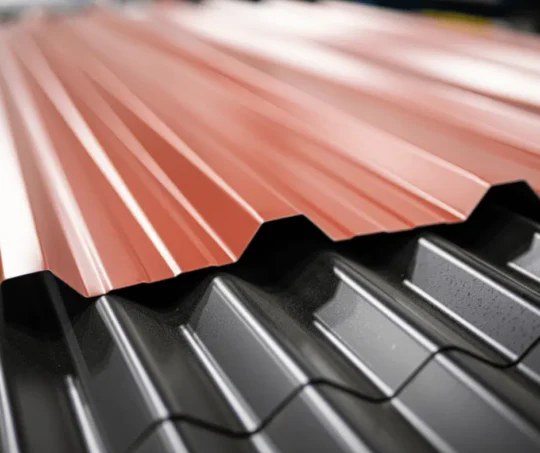
These early systems used corrugated panels and standing seam designs to shed water effectively—many of which are still in use today.In the early 1900s, aluminum roofing entered the market, offering a lightweight and corrosion-resistant alternative to steel. Metal roofs became known for their resilience in extreme conditions, making them popular for public infrastructure and utility buildings.
Metal roofing is one of several sloped roofing systems used in Arizona, often selected for its longevity, durability, and resistance to extreme heat.
The Rise of Modern Metal Roof Systems
The late 20th and early 21st centuries brought major innovations to metal roofing, transforming it from a niche or industrial solution into a premium residential option.
Key Modern Advancements:
- Galvalume® and coated steel for rust resistance and longevity
- Interlocking panel systems for better water resistance and wind uplift protection
- High-performance paint finishes (e.g., Kynar 500®) that resist fading and chalking
- Cool Roof technology with reflective coatings to reduce heat absorption
Metal roofing is now available in a wide variety of styles, including:
- Standing seam panels
- Stamped or stone-coated steel shingles
- Ribbed panels
- Metal tiles that mimic clay or slate
What Are Metal Roofs Made Of?
Today’s metal roofs are made from several durable base materials, including:
- Steel (Galvanized or Galvalume®) – Strong and economical; common in residential and commercial use
- Aluminum – Lightweight, rust-resistant; ideal for coastal environments
- Copper – Long-lasting and develops a beautiful natural patina over time
- Zinc – Corrosion-resistant and self-healing, though higher in cost
These metals are coated with protective layers and often topped with baked-on paint finishes to boost aesthetics and longevity.
Benefits of Modern Metal Roofing Systems
Whether you’re building a new home, replacing a shingle roof, or designing a commercial facility, metal offers unbeatable performance.
Top Advantages of Metal Roofs:
- 50+ Year Lifespan – Longer than asphalt or wood
- Extreme Durability – Withstands high winds, hail, and fire
- Energy Efficiency – Reflects solar heat to reduce cooling costs
- Low Maintenance – Resistant to mildew, termites, and rot
- Environmentally Friendly – Often made from recycled content and fully recyclable
In Arizona, metal roofs are ideal for handling intense sun, heavy rain, and dust storms—all while helping lower indoor temperatures. Homeowners frequently compare metal roofing with concrete tile when prioritizing long-term durability, heat resistance, and overall lifespan.
Metal Roof Installation Methods
Modern metal roofing systems can be installed over various substrates and insulation systems using different methods:
Common Metal Roof Types:
- Standing Seam Metal Roof
- Concealed fasteners
- Sleek, modern look
- Excellent for water shedding and expansion
- Corrugated or R-Panel
- Exposed fasteners
- More economical option
- Common in rural and light commercial buildings
- Metal Shingles or Tiles
- Designed to mimic traditional roofing styles
- Hidden fasteners and enhanced curb appeal
- Stone-Coated Steel
- Granular surface mimics tile or wood
- Ideal for HOA compliance or traditional home styles
Why Metal Roofs Excel in Arizona
Arizona’s desert climate puts roofing materials to the test. Metal roofs outperform many systems thanks to their:
- Heat-reflective finishes that reduce energy use
- Resistance to cracking or drying out in extreme sun
- Fire resistance, especially in wildfire-prone zones
- Wind uplift strength—especially in monsoon storms
Maintenance and Lifespan of Metal Roofs
Metal roofs require minimal upkeep but benefit from periodic inspections.
Tips for Longevity:
- Clear leaves and debris from valleys
- Inspect fasteners, sealants, and flashings every 1–2 years
- Recoat paint finishes after several decades, if needed
Properly installed, a metal roof can last 40 to 70 years—making it one of the longest-lasting options on the market.
Final Thoughts: Metal Roofing Is Stronger, Smarter, and Sleeker Than Ever
From ancient copper-clad temples to today’s architectural masterpieces, metal roofs have always stood for strength and longevity. Thanks to modern coatings, design options, and energy-efficient technology, metal is no longer just practical—it’s also beautiful.
If you’re looking for a lifetime roofing solution that performs in Arizona’s climate while boosting curb appeal, a metal roof might be your best investment.
Because roof structure, fastening method, and underlayment condition all affect metal roof performance, a professional roof inspection is the best way to determine whether metal roofing is appropriate for a specific home.
Professional installation and inspection services in Arizona are available through Thunderbird Roofing.