Polyurethane Foam Roofs
This is the Complete Guide to Polyurethane Foam Roofing: History, Benefits & Modern Systems.
If you’re researching polyurethane foam roofing for your home or commercial building in Arizona, you’re in the right place. This blog breaks down everything you need to know—from how SPF (Spray Polyurethane Foam) roofing started, to why it’s now one of the most popular and energy-efficient roofing systems in the Southwest.
What Is Polyurethane Foam Roofing?
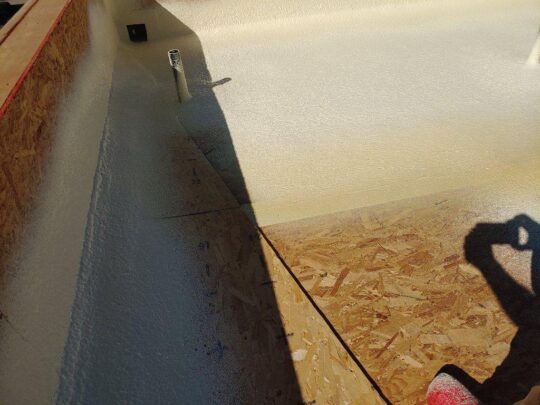
Polyurethane foam roofing, often called SPF roofing, is a high-performance roofing system made by spraying a liquid foam that expands into a solid, seamless surface. Once installed, it’s topped with a protective coating—typically silicone or Elastomeric—to resist UV rays and weathering.
This system creates a fully adhered, monolithic layer that provides superior waterproofing, insulation, and durability—all in one.
Foam roofing is one of several flat roofing systems commonly used in Arizona, each with different advantages depending on building design, climate exposure, and maintenance goals.
Polyurethane foam roofing is one of the most effective flat-roof systems used in Arizona, but like any roof, performance depends on installation quality and ongoing maintenance. Understanding how SPF roofs work — and what can go wrong — helps building owners make better long-term decisions.

Common Problems With Polyurethane Foam Roofs
- Blistering or bubbling from trapped moisture
- Coating wear or UV degradation
- Improper foam thickness or slope
- Mechanical damage from foot traffic
While foot traffic can damage any roof, properly installed foam roofing is relatively forgiving. More serious issues often stem from structural movement, such as plywood seams expanding and contracting, especially when foam is applied too thin. Industry best practice typically calls for a minimum of 1 inch total thickness, applied in lifts of approximately ½ inch per pass, to reduce stress and long-term failure.
Blistering is one of the most misunderstood foam roof issues. In some cases it’s cosmetic; in others it signals deeper moisture problems that require foam roof blister repair.
The History of Spray Foam Roofs
Polyurethane foam has been around since the 1930s, originally developed for industrial and military use. Roofing applications began gaining traction in the 1960s, especially in commercial flat-roof buildings.
Back then, contractors were drawn to the idea of spraying foam directly onto the roof deck to create a custom-fit insulation and waterproofing layer. Early versions lacked UV resistance, but they showed promising results in energy savings and leak prevention.
Why Polyurethane Foam Roofs Took Off in the Southwest
By the 1970s and 1980s, SPF roofing had found its niche in hot, sunny climates like Arizona, California, and Texas. Buildings in these areas benefited most from the foam’s high R-value (insulation) and reflective coatings that drastically reduced heat absorption.
Benefits That Drove Growth:
- Seamless application means fewer leaks
- Lightweight system won’t stress the structure
- High R-value per inch = lower energy bills
- Can be installed over existing roofs (great for reroofs)
Modern Polyurethane Foam Roofing Systems
Today’s SPF roofing is nothing like the early versions. Thanks to decades of innovation, modern polyurethane foam roofs are:
- UV-resistant with silicone or acrylic topcoats
- Energy Star® rated for reflectivity
- Customizable in slope and thickness
- Durable enough to last 30+ years with proper maintenance
How It Works:
- A liquid foam mixture is sprayed directly onto the clean roof surface.
- It expands up to 20x its original volume to form a dense, watertight layer.
- A UV-protective coating is applied, sometimes with granules for added durability.
Top Benefits of a Spray Foam Roof in Arizona
Living in Phoenix or anywhere in Arizona means dealing with extreme sun, sudden monsoons, and fluctuating temps. Polyurethane foam roofs are built for it.
Why SPF Roofing Is a Smart Choice:
- Reflects up to 85% of sunlight to keep buildings cool
- Reduces HVAC strain—lower cooling bills year-round
- Seamless protection means no entry points for water
- Lightweight material won’t sag or stress your structure
- Recoat every 10–15 years instead of full replacement
Looking for an energy-efficient flat roof solution in Phoenix? A modern SPF system might be your best long-term investment.
Common Questions About SPF Roofing
How long does a polyurethane foam roof last?
With proper maintenance and re-coating every 10–15 years, SPF roofs can last 30 years or more.
Is spray foam roofing waterproof?
Yes—SPF creates a seamless, self-flashing membrane that seals off all cracks, seams, and fasteners. It’s 100% waterproof once cured and coated.
Can you install spray foam over an old roof?
In most cases, yes. SPF is commonly applied over existing flat or low-slope roofs, saving time and reducing tear-off costs.
Is polyurethane foam roofing safe?
Absolutely. Once the foam is cured, it’s non-toxic, inert, and extremely durable. It’s been approved for use in hospitals, schools, and food facilities.
Installation Overview: How We Apply SPF Roofs
- Inspect & Prep the roof surface (cleaning, drying, and priming if needed)
- Spray the Foam to the desired thickness (usually 1–2 inches)
- Apply Silicone or Elastomeric Coating to protect against UV and extend roof life
- Add Granules (optional) for foot traffic and added durability
Most projects can be completed in 1–3 days, depending on the roof size and weather.
Is Polyurethane Foam Roofing Right for You?
If you own a commercial building or a flat-roofed home in Arizona, SPF offers unbeatable value in performance and energy savings. It works especially well for:
- Warehouses
- Medical centers
- Schools
- Retail stores
- Homes with flat or low-slope roofs
Because roof condition, slope, and existing materials all play a role, a professional roof inspection is often the best way to determine whether foam roofing is appropriate for a specific building.
Final Thoughts: A Proven System That Keeps Getting Better
What started as a niche roofing innovation is now a mainstream, trusted solution across the U.S.—especially in the desert Southwest. With its superior insulation, seamless waterproofing, and long-term savings, a polyurethane foam roof is one of the smartest investments you can make in your building’s envelope.
Professional installation and inspection services in Arizona are available through Thunderbird Roofing Systems.