Single-Ply Roofing
The Evolution of Single-Ply Roofing: From Innovation to Industry Standard
In the world of commercial and flat roofing, single-ply membrane systems have become a top choice for durability, energy efficiency, and ease of installation. Lightweight yet tough, today’s single-ply roofs are engineered to resist UV exposure, chemicals, and ponding water—making them ideal for the demanding climates of places like Arizona.
But how did single-ply roofing systems get here? In this article, we explore the history of single-ply membranes, how they work, and why they’re one of the most popular flat roofing systems on the market today. Single-ply membranes are one of several flat roofing systems commonly used on commercial and low-slope buildings in Arizona.
The Early Days of Single-Ply Roofing
Single-ply roofing systems were first introduced in the 1960s and 70s, during a time when the construction industry was looking for faster, more efficient alternatives to traditional built-up roofing (BUR) systems.
Early versions of single-ply membranes were made from chlorosulfonated polyethylene (CSPE) and EPDM (Ethylene Propylene Diene Monomer) rubber. These materials offered excellent flexibility and weather resistance, which made them attractive for large, low-slope roofs on industrial and commercial buildings.
Unlike BUR, which used multiple layers of asphalt and felt, single-ply systems could be installed in one continuous membrane layer—reducing labor time and minimizing seams.
Rise in Popularity and Modern Innovation
By the 1980s and 90s, single-ply roofing took off as manufacturers developed more advanced formulations, better adhesives, and heat-welded seam technologies.
Three main single-ply systems emerged as market leaders:
1. EPDM (Ethylene Propylene Diene Monomer)
- Black rubber membrane
- Exceptional flexibility and UV resistance
- Typically ballasted or fully adhered
- Long lifespan (20–30 years)
2. PVC (Polyvinyl Chloride)
- Heat-welded white membrane
- High chemical resistance (ideal for restaurants, factories)
- Excellent durability and energy reflectivity
- Reinforced with fiberglass or polyester scrims
3. TPO (Thermoplastic Olefin)
- Reflective white membrane
- Combines benefits of EPDM and PVC
- Rapidly became the most popular single-ply option
- Energy-efficient, affordable, and recyclable
What Makes Single-Ply Roofs Unique?
Unlike multi-layer systems like BUR, single-ply roofs are engineered sheets of synthetic materials installed in a single layer.
They are:
- Lightweight and flexible
- Resistant to UV rays, weathering, and chemicals
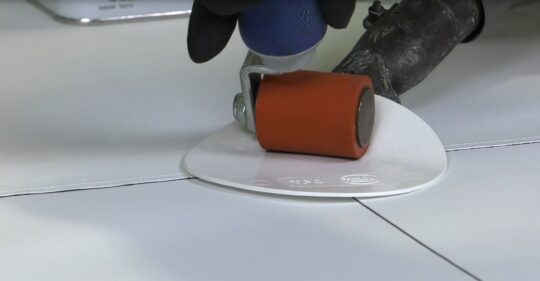
- Heat-welded or glued at the seams for waterproofing
- Often reinforced with scrims for added strength
They’re especially popular on low-slope or flat commercial buildings due to their speed of installation and performance.
How Are Single-Ply Roofs Installed?
Installation methods vary depending on the membrane type and building conditions. Here are the most common methods:
- Mechanically Attached – Fastened with plates and screws, then seams are heat-welded or glued
- Fully Adhered – Glued directly to insulation or substrate using bonding adhesives
- Ballasted – Loose-laid membrane held in place by gravel or pavers (mainly used for EPDM)
- Self-Adhering Membranes – Peel-and-stick systems for smaller or specialty applications
Seams are either:
- Heat-welded (TPO/PVC)
- Taped or glued (EPDM)
Proper seam sealing is essential to prevent leaks and extend lifespan.
Modern-Day Performance and Benefits
Today’s single-ply systems are precision-engineered to meet building codes, energy standards, and climate challenges.
Key Benefits of Single-Ply Roofs:
- Energy Efficiency – White membranes reflect sunlight, reducing cooling costs.
- Low Maintenance – Fewer seams and less material degradation.
- Flexible Installation – Lightweight and adaptable to many substrates.
- Cost-Effective – Especially on large commercial buildings.
- Eco-Friendly Options – TPO and PVC can be recycled; some systems qualify for LEED credits.
In some cases, building owners compare single-ply membranes with spray foam roofing when weighing insulation value, seam management, and long-term maintenance.
Why Single-Ply Roofing Works Well in Arizona
In hot, dry climates like Phoenix or Tucson, single-ply systems—especially white TPO or PVC—offer unmatched benefits:
- Reflect up to 80% of solar radiation
- Lower rooftop and indoor temperatures
- Help qualify for energy rebates and tax credits
- Resist UV breakdown and extreme thermal expansion
Maintenance and Longevity
Single-ply roofs typically last 20–30 years, depending on material type and installation quality.
To maximize performance:
- Inspect seams and flashings annually
- Clean the membrane to prevent debris buildup
- Check for punctures or foot traffic damage
- Ensure drainage systems are clear and functional
BUR vs. Single-Ply vs. Spray Foam: Which Should You Choose?
| Feature | BUR | Single-Ply | Spray Foam (SPF) |
|---|---|---|---|
| Layers | Multi-ply | Single membrane | Spray-applied monolithic |
| Weight | Heavy | Lightweight | Lightweight |
| UV Reflectivity | Coated/gravel | High (TPO/PVC) | High (w/ coating) |
| Maintenance | Moderate | Low | Moderate |
| Best For | Durability, redundancy | Energy efficiency, fast install | Seamless insulation + waterproofing |
Final Thoughts: Single-Ply Roofing Systems Offer Smart, Efficient Protection
What began as an innovation in the 1960s has become a mainstay in the roofing industry.
Today’s single-ply roofs are smarter, stronger, and more sustainable than ever, making them an excellent choice for commercial buildings, industrial facilities, and flat-roofed homes in Arizona.
Whether you’re replacing an old BUR system or building new, single-ply roofing gives you modern performance with proven value.
Because roof slope, substrate condition, and building use all affect system selection, a professional roof inspection is often the best way to determine whether a single-ply roof is appropriate.
Professional installation and inspection services in Arizona are available through Thunderbird Roofing Systems.