
Why Roofs Leak in Phoenix Arizona
If you’re dealing with a roof leak in Phoenix Arizona, understanding the cause is the first step to solving the problem correctly. Roof leaks in the Phoenix Valley are often very different from leaks in other parts of the country due to extreme sun exposure, monsoon storms, and the types of roofing systems commonly used on homes in this area.
Many roof leaks are misdiagnosed, which can lead to unnecessary repairs or even full roof replacements when the real issue could have been addressed more directly. This guide explains the most common reasons roofs leak in Phoenix and what homeowners should look for.
Why Roofs Fail in Phoenix
Key factors include:
- intense UV exposure nearly year-round
- extreme temperature swings
- monsoon storms bringing sudden heavy rainfall
- aging roofing materials that dry out over time
Unlike colder climates where roofs fail from ice and snow, Phoenix roofs typically fail due to heat and UV breakdown, followed by water intrusion during storms.
Common Roof Types in Phoenix
Most homes in the Phoenix Valley use one of three roofing systems:
Tile Roofs
The most common residential roof system.
- Concrete tiles are durable
- Underlayment beneath the tile does the waterproofing
- Underlayment typically fails before the tile
Asphalt Shingle Roofs
Less common on newer homes but widely used on replacements.
- Faster installation
- More sensitive to heat and installation quality
- Often fail at penetrations and flashing
Flat and Foam Roofs
Common on patios, additions, and some homes.
- Designed to move water off the roof quickly
- Highly dependent on proper drainage
- Vulnerable at drains and transitions
Most Common Roof Leak Sources
Tile Roof Leaks
In Phoenix, tile roof leaks are most often caused by:
- broken or displaced tiles
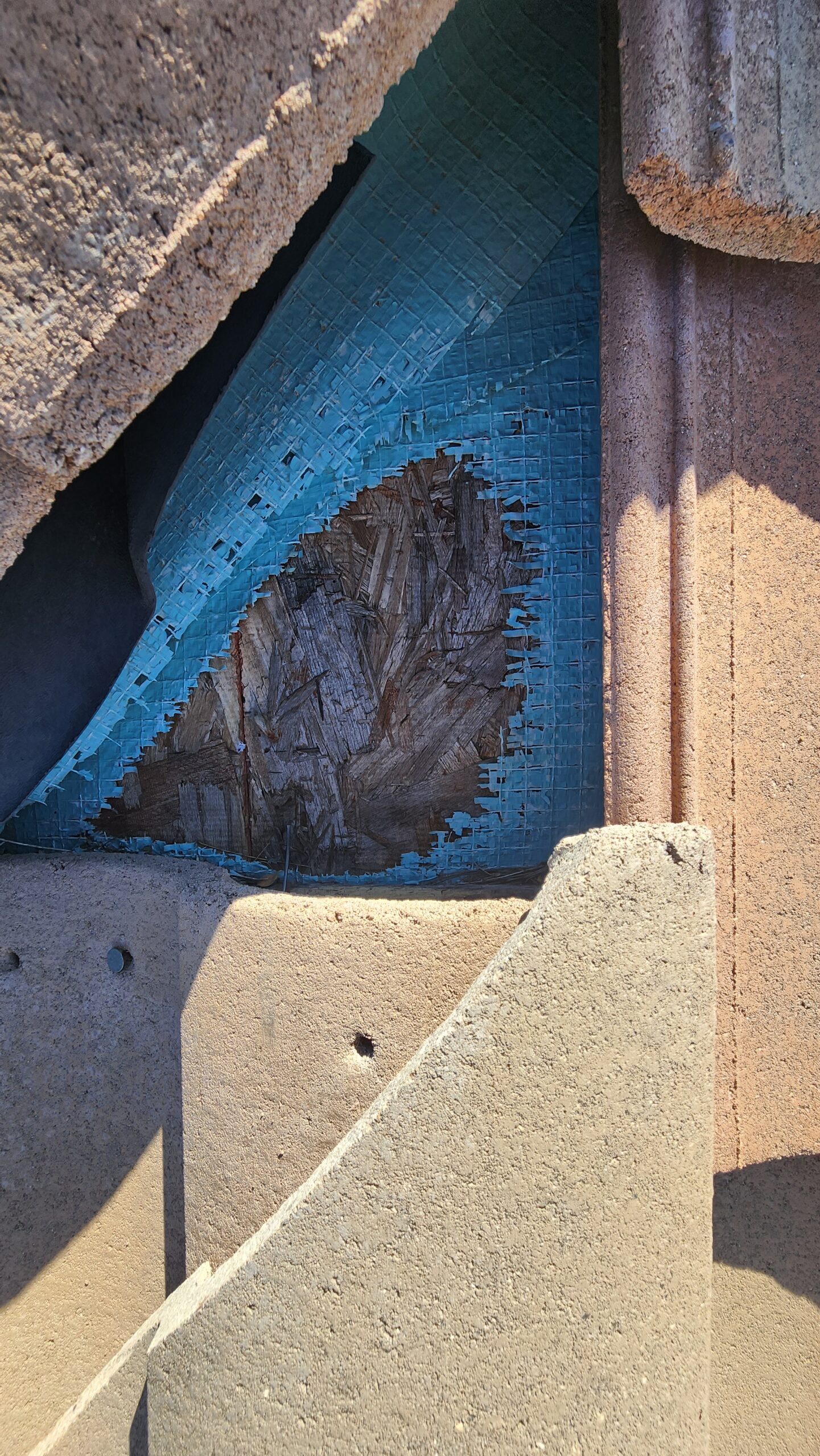
- underlayment deterioration from UV exposure
- foot traffic from HVAC, solar, or inspections
Once the underlayment is exposed, UV degradation begins breaking it down. Over time the material becomes brittle, deteriorates, and eventually disintegrates. At that point the roof system can no longer shed water properly, and leaks begin to show up during monsoon storms.
In Phoenix, I see this type of failure regularly on older tile roofs where tiles have been disturbed over time.
Shingle Roof Leaks
Shingle roofs typically leak due to:
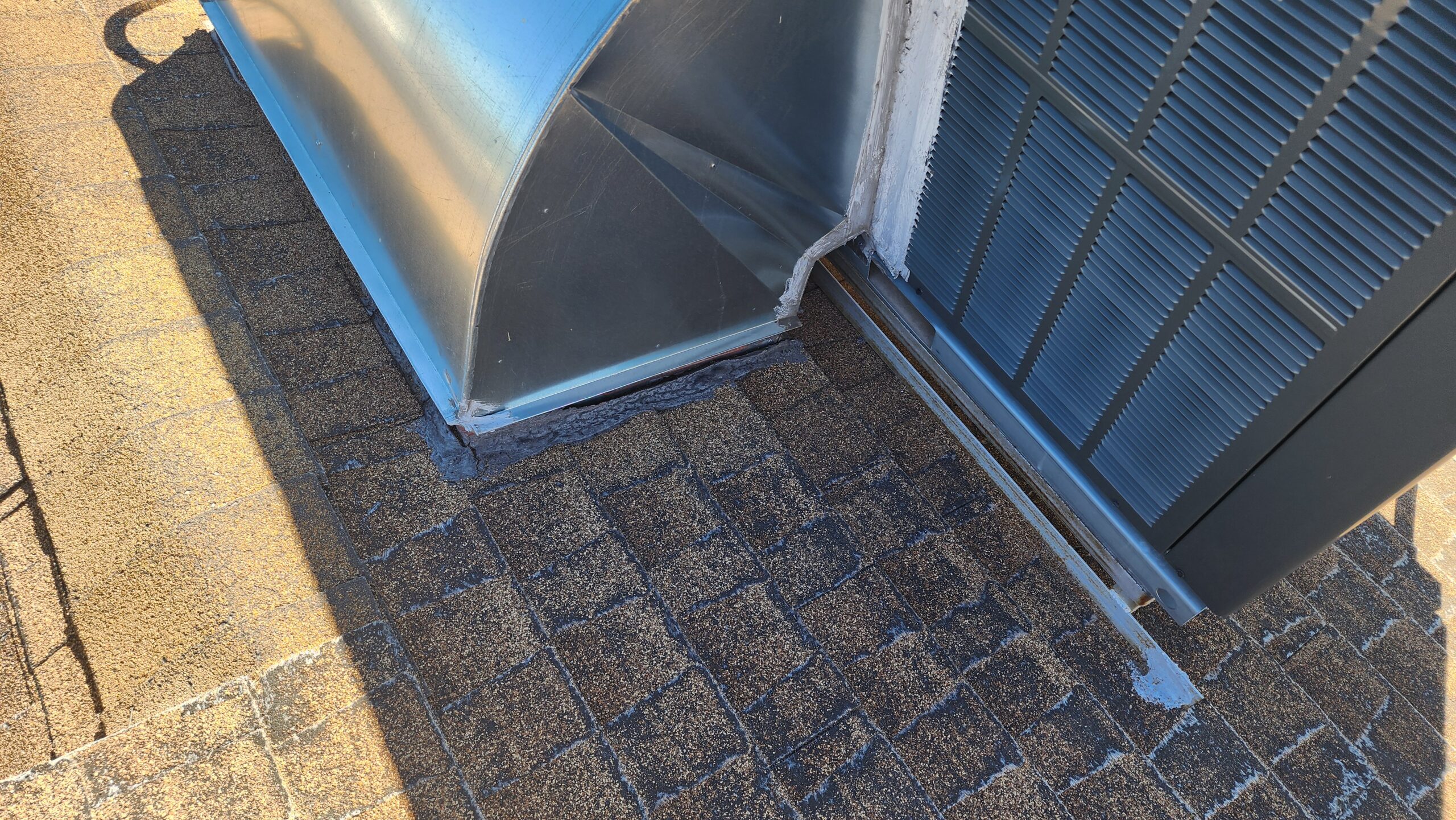
- failed sealant around penetrations
- One of the most common shingle roof leaks occurs around A/C units and other roof penetrations.
- improper installation (high nailing, poor flashing)
- wind-damaged or missing shingles
Roof penetrations are one of the most common failure points.
Most shingle roof leaks I inspect in Phoenix are related to penetrations, especially around rooftop equipment.
Flat Roof Leaks
Flat roofs most commonly fail at:
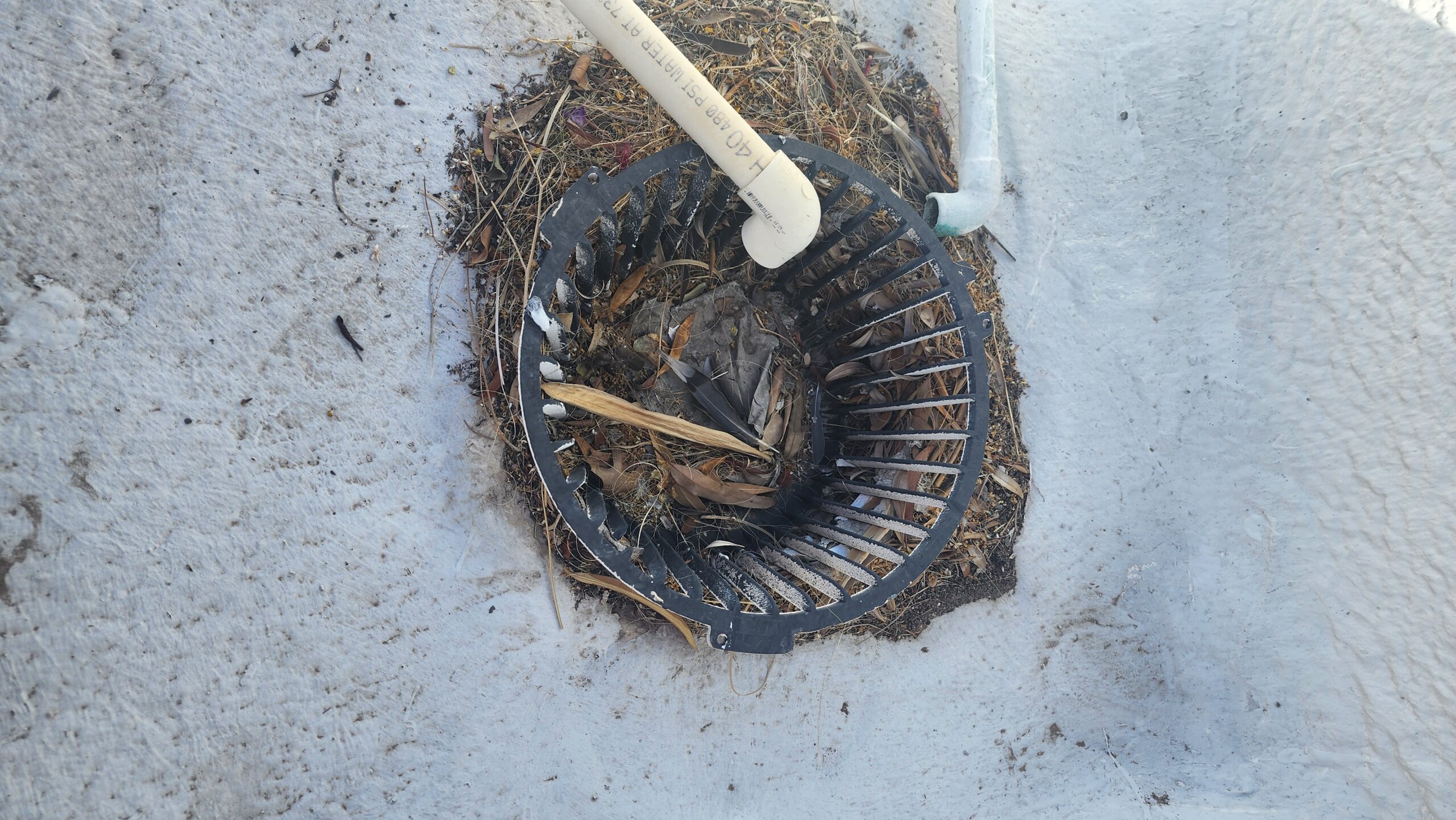
- drains and scuppers
- ponding water areas
- flashing transitions
If water cannot drain properly, it will eventually find a way into the system.
Flat roof leaks are often preventable with basic maintenance, but clogged drainage is one of the most common issues I see.
Roof Penetrations and Detail Failures
Many roof leaks do not come from the main roofing material.
They often come from:
- pipe flashings
- skylights
- HVAC units
- electrical penetrations
These areas rely on sealants and flashing, which break down over time in the Arizona sun.
Misdiagnosed Roof Leaks
One of the most common issues homeowners face is misdiagnosis.
Not all leaks are actually roof leaks.
Water can enter through:
- stucco cracks
- wall transitions
- window flashing
- parapet walls
Then travel along framing before appearing inside the home.
This is why accurate leak detection is critical.
Why Many Roof Leaks Are Missed
Many contractors focus on:
- selling a new roof
- quick surface-level inspections
Instead of:
- tracing the actual water path
- identifying the true source
Roof leaks often appear close to where they originate, making proper diagnosis essential.
How Roof Leaks Actually Behave in Phoenix Homes
Most homeowners are told that roof leaks can travel long distances before showing up inside the home. While that can happen in certain situations, in my experience most roof leaks in Phoenix are actually close to where they appear on the interior.
Understanding how water moves through different roof systems is key to diagnosing the problem correctly.
On tile roofs, leaks are often found near the area where staining appears inside the home. When water enters near the eave, it can travel down interior walls and show up at baseboards. A common location for these leaks is around the second course of tile, especially where roof-to-wall transitions occur.
On shingle roofs, leaks are almost always related to penetrations if the shingles themselves are intact. Areas around A/C units, vent pipes, and other roof penetrations are the most common sources of failure.
Flat roofs typically leak at drains and scuppers when water cannot exit the roof properly. If the leak appears near an exterior wall transition, it may also be related to stucco or wall-related issues rather than the roof itself.
Foam roofs behave differently than other systems. When foam is properly applied directly to the plywood deck, it generally does not leak unless there is a failure at a seam. These failures often occur when the foam is applied too thin and lacks the tensile strength needed to handle movement. In most cases, foam roofs should be at least one inch thick to perform correctly.
In homes with vaulted ceilings, water can sometimes travel to the next plywood seam before becoming visible, which is typically every four feet. However, this is more the exception than the rule.
Accurate leak detection depends on understanding these patterns and identifying where water is entering the system—not just where it becomes visible.
Proper leak detection isn’t guesswork. It requires understanding how each roofing system behaves and where failures actually occur.
The Importance of Proper Inspection
A thorough roof inspection should include:
- evaluating the entire roof system
- checking all penetrations and flashing
- identifying signs of aging materials
- understanding how water moves across the roof
Accurate inspections prevent unnecessary repairs and ensure the real problem is addressed.
Why Many Roof Problems Go Unnoticed in Phoenix
In many Phoenix neighborhoods, it’s common to see tile roofs with displaced or broken tiles that homeowners are completely unaware of. Because tile roofs are designed to shed water beneath the surface, damage isn’t always visible from the ground.
In many cases, the underlayment beneath the tile has already been exposed to UV for years before any signs of a leak appear inside the home. By the time a stain shows up on the ceiling, the roof system has often been deteriorating for a long time.
Final Thoughts
Roof leaks in Phoenix Arizona are usually the result of predictable failure patterns related to heat, aging materials, and installation details.
Understanding these causes helps homeowners make informed decisions and avoid unnecessary expenses.
If you suspect a roof leak, the most important step is identifying the true source before moving forward with repairs.