

Why Tile Roofs Fail in Arizona
Last Updated: March 2026
Tile roofs are one of the most common roofing systems in the Phoenix Valley, and while the tiles themselves can last 50 years or more, the system beneath them often fails much sooner. Arizona’s extreme heat, UV exposure, and monsoon storms create a unique environment where tile roofs break down in predictable ways.
Understanding why tile roofs fail helps homeowners make informed decisions and avoid unnecessary repairs or premature replacements.
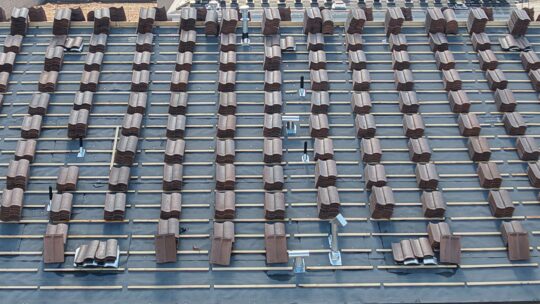
What Tile Roof Failure Looks Like in Arizona
Tile roof leaks rarely come from the tiles themselves. Instead, the problems usually start beneath the surface.
Common signs include:
- Displaced or slipped tiles
- Exposed underlayment
- Cracked or broken tiles
- Water stains near eaves or roof‑to‑wall transitions
- Debris buildup in valleys
- Deteriorated flashing around penetrations
These symptoms often appear long before a homeowner notices a leak inside the house.
I spend a lot of time looking at roofs across Phoenix, and it’s extremely common to see displaced tiles on homes where the homeowner has no idea there’s a problem developing.
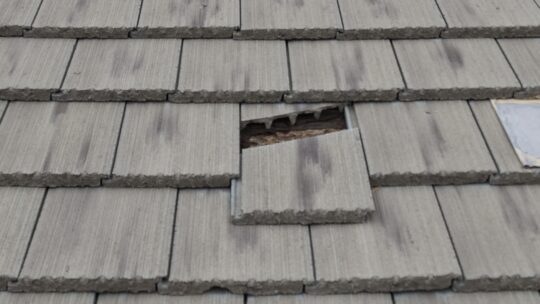
Why Tile Roofs Fail in Arizona
Arizona’s climate is extremely harsh on roofing materials. The main causes of tile roof failure include:
1. UV Degradation of Underlayment The underlayment is the true waterproofing layer. Once exposed to sunlight, it begins to dry out, crack, and eventually disintegrate.
2. Extreme Heat and Thermal Movement Daily temperature swings cause expansion and contraction. Over time, this movement stresses the underlayment and flashing.
3. Foot Traffic From HVAC, Solar, and Inspections Every time someone walks on a tile roof, tiles shift or break. Even a small displacement can expose underlayment to UV.
4. Poor Installation Practices Common issues include improper fastening, incorrect flashing, insufficient overlap, and low‑quality underlayment.
5. Aging Materials Even high‑quality underlayment has a lifespan. In Phoenix, most systems last 15–25 years.
How to Diagnose Tile Roof Problems
Homeowners can look for surface clues, but a proper inspection requires lifting tiles and checking the underlayment.
A thorough inspection includes:
- Checking for slipped or broken tiles
- Inspecting valleys for debris
- Examining roof‑to‑wall transitions
- Lifting tiles to inspect underlayment condition
- Checking flashing around penetrations
- Looking for UV exposure or brittleness

Why Many Roof Problems Go Unnoticed in Phoenix
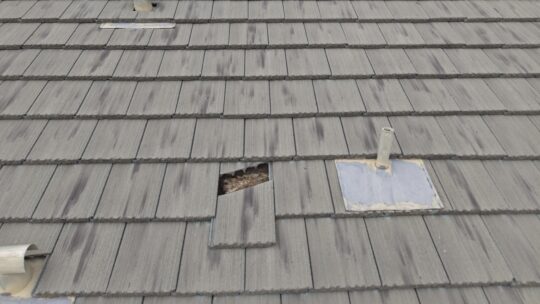
In many Phoenix neighborhoods, it’s common to see tile roofs with displaced or broken tiles that homeowners are completely unaware of. Because tile roofs are designed to shed water beneath the surface, damage isn’t always visible from the ground.
In many cases, the underlayment beneath the tile has already been exposed to UV for years before any signs of a leak appear inside the home. By the time water intrusion appears inside the home, the underlayment has often been deteriorating for years.
How Professionals Fix Tile Roof Failures
Tile roof repairs depend on the severity of the damage.
Minor Repairs
- Replace broken tiles
- Reset displaced tiles
- Patch small underlayment exposures
- Clear debris from valleys
Moderate Repairs
- Replace underlayment in localized sections
- Rebuild roof‑to‑wall transitions
- Repair flashing around penetrations
Full Underlayment Replacement When the underlayment is brittle, cracked, or disintegrating, the only long‑term solution is to remove the tiles, replace the underlayment, and reinstall the tiles.
This is common on roofs 20+ years old.
Cost Expectations in Arizona
| Repair Type | Typical Cost Range | Notes |
|---|---|---|
| Minor tile replacement | $250–$750 | Good for isolated issues |
| Local underlayment repair | $800–$2,000 | Depends on area size |
| Valley rebuild | $1,200–$2,500 | Common failure point |
| Full underlayment replacement | $8,000–$20,000+ | Based on roof size & access |
Real Photos From Arizona Tile Roofs



Need a Professional Roof Inspection?
“If this sounds like something you’re dealing with, it’s a good idea to have a qualified roofing expert take a look. A proper inspection can prevent bigger problems later.”
Frequently Asked Questions
Typically 15–25 years depending on sun exposure and installation quality.
Rarely. The underlayment is almost always the source of leaks.
It’s possible, but not recommended. Foot traffic is a major cause of tile displacement.
Heavy, wind‑driven rain exposes weaknesses that normal rainfall doesn’t reveal.
Yes, but only if the surrounding material is still in good condition. Usually full slopes are done
Tile roofs in Arizona fail for predictable reasons: UV exposure, heat, aging underlayment, and installation details. Understanding these patterns helps homeowners make informed decisions and avoid unnecessary repairs.
If you suspect a problem, a proper inspection is the first step toward preventing further damage.

